The Great Ocean Road has no shortage of famous viewpoints. But the route is at its best when you stop treating it like a checklist.
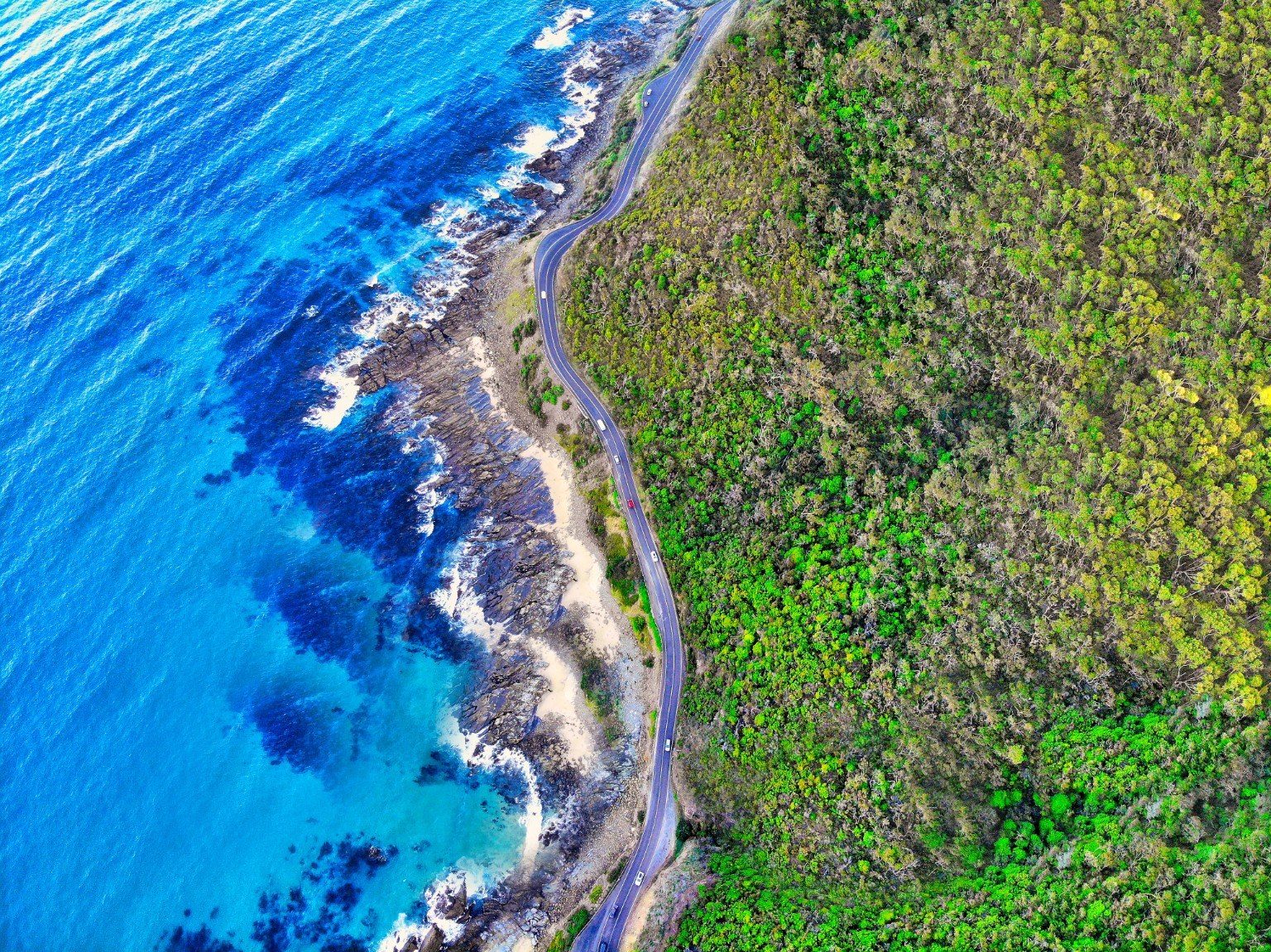
Seen from above, the road becomes a line between two forces: dense forest on one side and the Southern Ocean on the other. Small coves, cliffs and bends appear and disappear as the coastline folds around each turn.
Take the long way
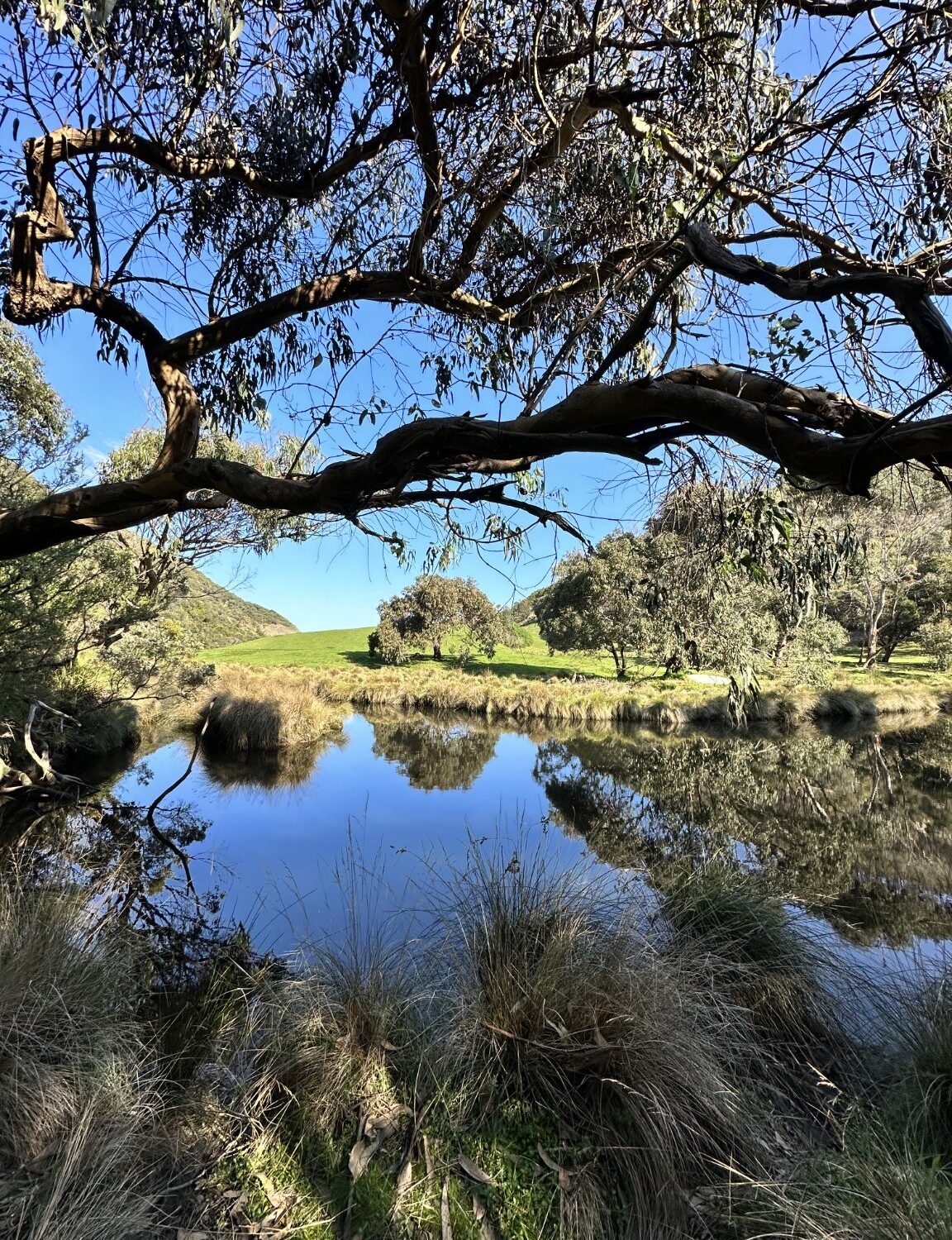
Leave time for roadside lookouts, quiet beaches and the towns in between the headline attractions. The region mixes coastal wilderness, rainforest and seaside villages, so the scenery keeps changing long before you reach any famous landmark.
The road itself was built as a memorial by returned servicemen after the First World War. Today it remains one of Victoria’s defining journeys — not simply because of where it takes you, but because of what you see along the way.
Do not measure the drive by how quickly you arrive.
Turn the music down occasionally. Pull over when the light changes. Let the coastline decide when the next stop should be.
The most memorable part of a coastal drive is often the stretch you did not plan to stop for.